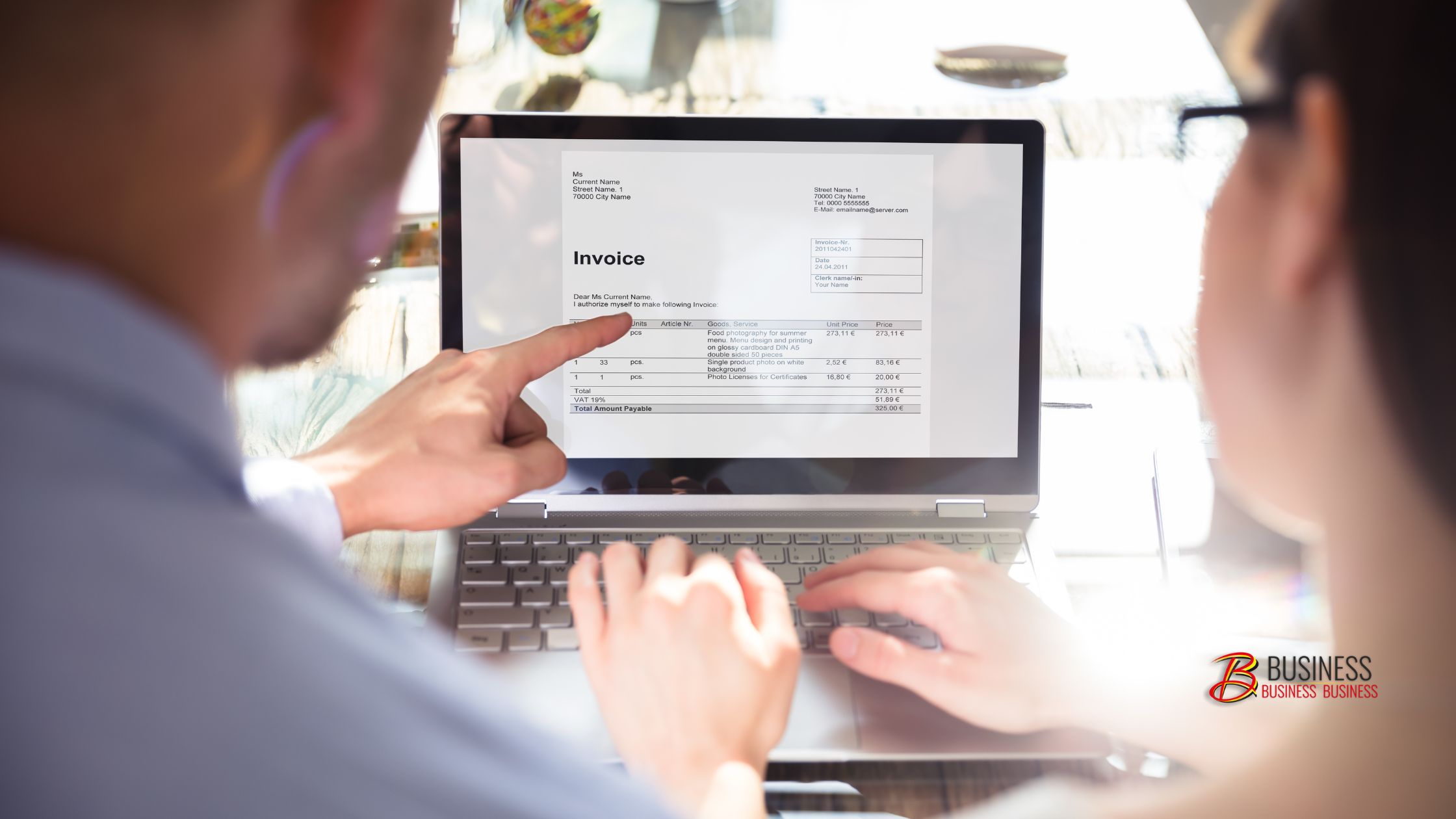
Whether you’re running a solo enterprise or managing a growing team, outstanding invoices are a challenge nearly every business faces. They’re not just annoying admin—these unpaid bills tie up your cashflow, limit your choices, and can quietly undermine the very foundation of your business.
I recently had a brilliant Business Conversation with debt recovery expert Anthony Igra, where we dived deep into this issue. The insights were compelling—and if cashflow matters to you (which it should), it’s a conversation you’ll want to hear.
In the meantime, let’s unpack why outstanding invoices are such a sticking point and what you can do to change the game.
The Real Cost of Unpaid Invoices
Here’s a stark reminder: 60% of small businesses in Australia don’t make it past the three-year mark. That stat has been floating around for years, and while it’s often linked to poor planning or weak market fit, cashflow problems are a huge—and often silent—contributor.
And it’s not just about how you spend your money; it’s about how well you collect it.
In fact, a few years back, Australian businesses were owed a staggering $76 billion in outstanding invoices. For the average business, that’s around $38,000 sitting unpaid—money that could be powering growth, paying wages, or simply helping you breathe easier.
That’s not just inconvenient. It’s unsustainable.
Why This Matters More Than Ever
Unpaid invoices limit your ability to grow, employ, or even take time off without financial stress. And when cashflow runs tight, it’s not uncommon for small business owners to dip into personal savings just to keep the doors open.
The ripple effect? Missed mortgage payments, strained personal finances, and sleepless nights. And it all stems from one avoidable issue—clients not paying what they owe.
So why do so many business owners let it get this far?
Often, it’s not about effort—it’s about approach.
Five Common Invoice Mistakes (And What To Do Instead)
Let’s get practical. If unpaid invoices are a regular headache in your business, chances are you’re making one (or more) of these five common mistakes:
1. You’ve Confused “Customer” with “Friend”
It’s great to enjoy working with your clients, but remember, this is a business relationship. They’re paying for a result, not your friendship. When boundaries blur, expectations do too.
2. You’re Not Clear From the Start
Clear terms and conditions around payment should be baked into every quote, invoice, and contract. If clients don’t know when and how to pay you, that’s a systems issue—one you can fix.
3. You’re Not Invoicing Promptly
How long does it take you to send an invoice after delivering a product or service? Days? Weeks? The longer you wait, the longer your money sits in someone else’s bank account. Set up a consistent system—or better yet, automate it.
4. You Don’t Follow Up
It’s one thing to send an invoice. It’s another to chase it. Automated reminders, scheduled follow-ups, and even outsourced help can make a big difference here. The key? Don’t let overdue invoices sit in silence.
5. You’re Pretending It’s Not a Problem
It’s easy to say “I’ll deal with it later.” But let’s be real—if your business is carrying unpaid invoices, you’re essentially running a part-time charity. You deserve to be paid for your work. And your business depends on it.
So, What Now?
If you’ve been letting invoices go unpaid, now’s the time to act—not tomorrow, not next month. Review your invoicing process. Look at your follow-up systems. Shift your mindset.
You didn’t start your business to work for free. And you certainly didn’t build it to chase debts.
So here’s the question: What’s one thing you can do today to tighten your invoicing system, shift your perspective, and take back control of your cashflow?
Your future business self will thank you for it.