Something remarkable is happening in Adelaide, and it’s not getting the recognition it deserves. While much of the country is still reeling from the collapse of RedCycle and debating what to do with soft plastics, Adelaide is quietly taking action by launching a pilot soft plastic curbside collection for recycling.
This might seem like a small, local initiative. But in reality, it’s the most important and promising step taken by an Australian city since soft plastic recycling fell into limbo. What Adelaide is doing matters and demands attention from the rest of the country.
The Too-Hard Basket: Why Soft Plastic Recycling Has Stalled
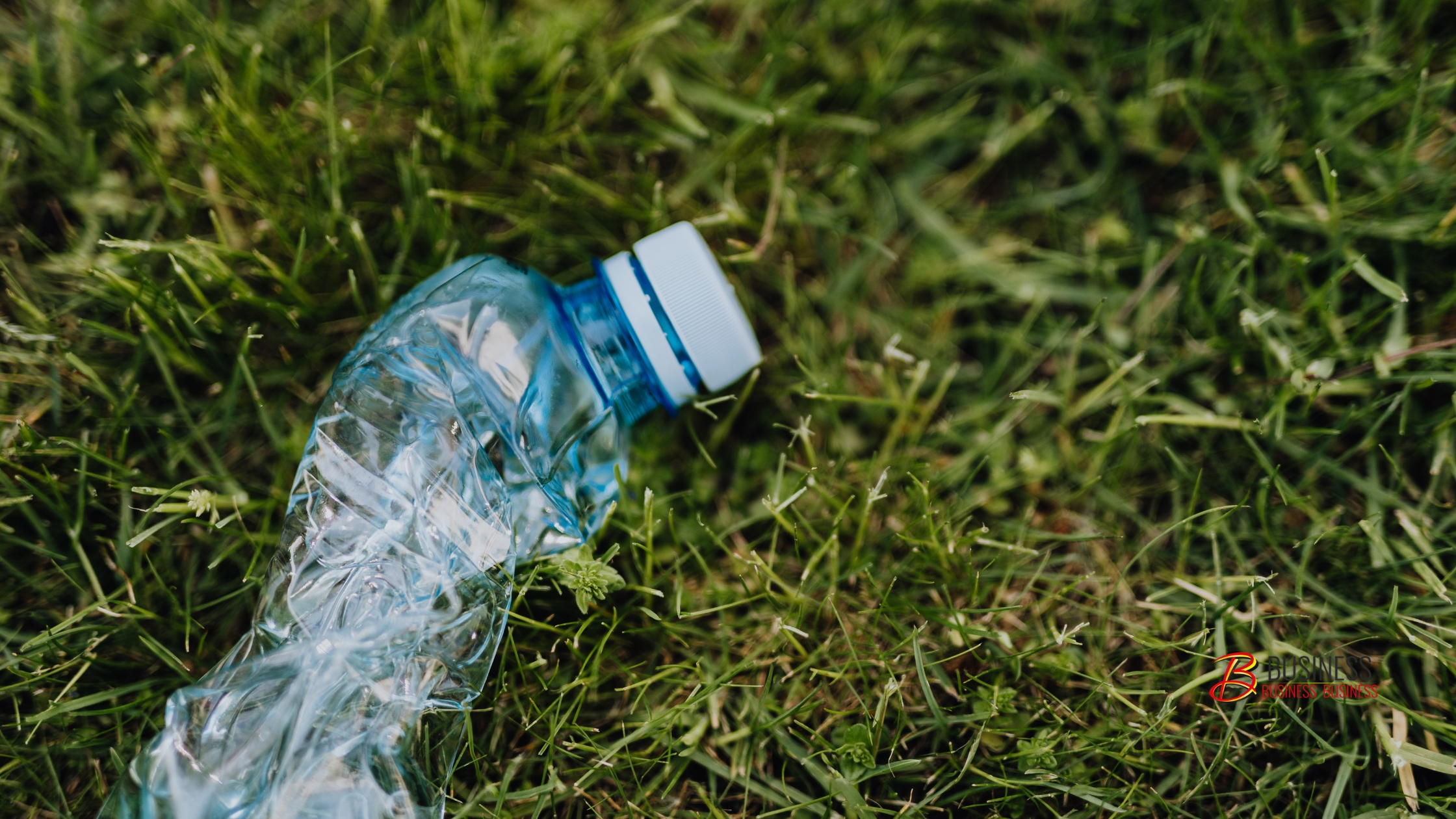
Let’s be honest, soft plastic recycling has always been placed in the too-hard basket. It’s fiddly, inconvenient, doesn’t break down, blows away in the wind, clogs landfill, and despite years of effort, only 2% of it was being recycled by national collection schemes. The reason isn’t that people don’t care, it’s that we’ve asked them to carry a near impossible burden.
The Shrinker! and the Household Plastic Puzzle
I spent two decades in supermarket supply chains and saw firsthand how soft plastic, whilst useful, can quickly pile up everywhere, from back docks to households. This inspired my business journey that led to building Wholly Shrink!, a company dedicated to solving the household piece of the soft plastic puzzle. Our core product, The Shrinker!, is a device that compacts soft plastic by up to 70% for easy storage, transportation, and recycling. However, even as our users embrace this solution and build more positive recycling habits around it, the missing link still remains — kerbside collection.
Why Adelaide’s Pilot Matters
That’s what makes Adelaide’s move so important. By integrating soft plastic collection into the system households already use, we take away the biggest barrier—inconvenience. No more overflowing plastic bags, confusing drop-off locations, and wishful recycling. This is the kind of bold, practical thinking Australia needs.
Having led the nation in banning plastic bags and introducing container deposit schemes, South Australia is once again setting the benchmark.
Restoring Trust After RedCycle’s Collapse
This is about more than just recycling, it’s about restoring trust. When RedCycle collapsed, many Australians felt betrayed. They were doing the right thing by sorting, cleaning, and returning their plastic waste, only to discover it wasn’t working. Adelaide’s pilot is a chance to restore Aussies’ faith in the system, to show that with the right design, soft plastic recovery is possible, and worth doing.
A National Call for Extended Producer Responsibility
We stand at a pivotal moment in addressing Australia’s growing soft plastic crisis, and implementing a robust Extended Producer Responsibility (EPR) scheme is the key to accelerating progress. Inviting producers to take accountability for the entire lifecycle of their products, including post-consumer material, an EPR policy can help fast-track the expansion and standardisation of similar kerbside recycling programs across the country. This approach alleviates pressure on local councils, as well as drives innovation in sustainable packaging and overall waste reduction. In fact, a national consultation in 2024 revealed that almost two-thirds (65%) of respondents supported an EPR scheme with mandatory requirements on design, contents, and clear labelling*.
Infrastructure, Habits, and the Road to a Circular System
An effective EPR scheme must work hand-in-hand with initiatives that help Australians adopt habits of separating soft plastics at home. However, behaviour change alone isn’t enough. We must also invest in robust infrastructure that can process the soft plastics that we will inevitably continue to generate. Together, these efforts can create a closed-loop system where producers, consumers, and recyclers all play a role in reducing plastic pollution.
Community Appetite for Change is Strong
At Wholly Shrink!, we see people’s appetite for positive change every day. Our customers, many of which are based in Adelaide, are deeply engaged and purchase The Shrinker! to try to do what they can within the current conditions. It’s time for local councils to flip the script and start working with them, not against them.
No Time to Wait — Let’s Build on Adelaide’s Momentum
I urge policymakers not to wait for national consensus. The climate can’t wait, and Australian households certainly aren’t waiting either. They’re improvising, storing, compacting, and pleading for solutions. Leadership from South Australia matters; Recognising the need for coordinated federal action through a body like the SPSA is essential.
The soft plastics problem is not going away anytime soon. Packaging innovation takes years and supply chains are global. Even now, you’ll find the RedCycle logo still printed on some soft plastic packaging, three years after the program ended. We must face that we are going to be living with soft plastics for the foreseeable future, so let’s act accordingly.
A Glimpse of What’s Possible
Adelaide has just given the country a glimpse of what’s possible. Let’s not waste it.
Now is the time for policymakers, industry leaders, and Australian households to unite in their push for legislative change, such as the introduction of a national EPR framework, to empower efficient kerbside collection and protect our environment for future generations.