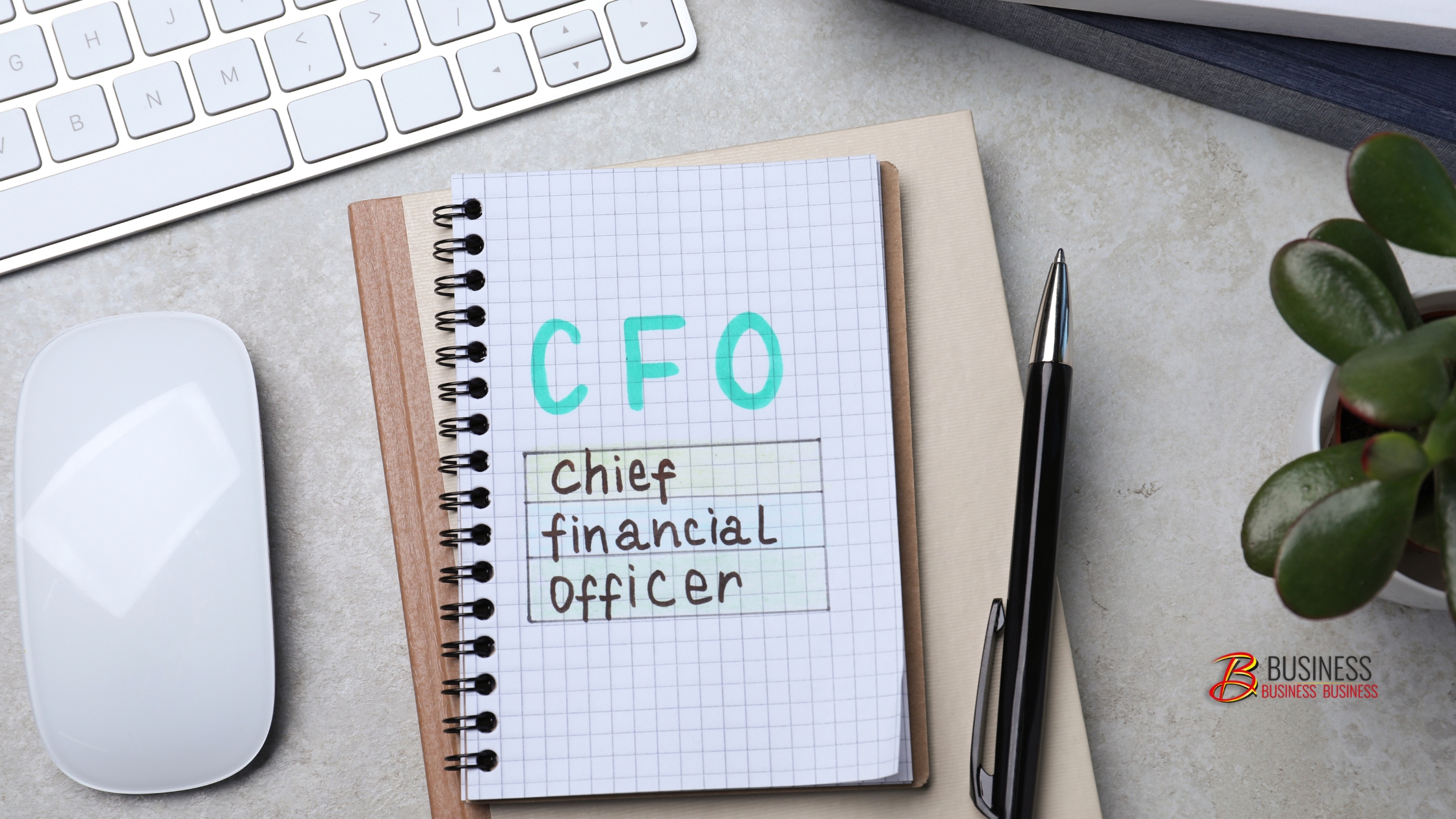
When you’re running a growing business, every decision counts. But for many businesses under $5 million in turnover, one crucial role is often missing: the Chief Financial Officer.
Hiring a full-time CFO may feel out of reach—and for good reason. It’s a five-figure commitment, and most small businesses don’t need (or can’t justify) a senior finance executive five days a week. But what if you could get the strategic insights of a CFO, at a fraction of the cost?
Enter the Fractional CFO.
What Is a Fractional CFO?
A Fractional CFO is a highly experienced finance professional who works with your business on a part-time or project basis. They bring the expertise of a traditional CFO but without the full-time overhead. It’s like having a finance leader on your team, only when you need them.
They help you do more than “keep the books.” Their focus is on strategy, decision-making, and future-proofing your business. Think of them as your financial co-pilot—someone who turns your numbers into smart business moves.
Why It Matters for Businesses Under $5M
At this stage of growth, most businesses face the same challenges:
- Unpredictable cash flow
- Unclear financial insights
- Lack of structure around budgeting and forecasting
- Over-reliance on tax-driven decisions instead of business-driven ones
And often, the founder or operations manager is wearing too many hats. That’s where a fractional CFO steps in—to build structure, offer clarity, and free up your time to focus on growth.
Here’s what a typical fractional CFO might do for a business of your size:
- Create rolling cash flow forecasts
- Develop financial dashboards for real-time decision-making
- Support funding applications or investor readiness
- Improve pricing strategy and margin clarity
- Identify cost-saving and growth opportunities
- Help you plan for expansion, hiring, or technology upgrades
Real-World Example: From Chaos to Clarity
One business we worked with—a thriving transport company—had grown rapidly through word-of-mouth. But behind the scenes, cash flow was chaotic, and financial decisions were made reactively.
Within the first three months of fractional CFO support, we:
- Built a 12-month rolling forecast that identified a cash shortfall three months in advance
- Restructured their pricing model to improve margins by 8%
- Introduced simple tech tools that gave the owner daily visibility over receivables and outgoings
- Created a strategy for funding their next fleet expansion—without jeopardising working capital
The result? Less stress, more control, and a confident pathway to scale.
When Should You Consider a Fractional CFO?
You don’t need to be in trouble to bring in a fractional CFO. In fact, the earlier you invest in strategic financial oversight, the smoother your growth journey will be.
Here are some signs you’re ready:
- Your business is growing, but profitability isn’t
- You’re unsure how much you can afford to invest, hire, or expand
- You want to attract investors or apply for funding
- You rely on your bookkeeper or accountant for strategic advice (and they’re not equipped for that role)
- You want to move from gut-feel decisions to data-driven ones
How to Get Started
- Define Your Needs
Start with a conversation. What are your goals? Are you looking for ongoing support or a one-off project? - Choose a Specialist
Look for someone who understands your industry and growth stage. A great fractional CFO is part strategist, part communicator, and part systems thinker. - Integrate Them Into Your Team
Treat them as a partner, not an outsider. The best results come when the CFO works closely with your leadership and has access to the full financial picture. - Leverage Technology
Modern fractional CFOs often bring cloud-based tools and automation to streamline reporting and boost visibility.
Final Thoughts
You don’t need to wait until your business is “big enough” to make big-business decisions. A fractional CFO gives you the financial firepower to grow with confidence—without breaking the budget.
By investing in financial clarity now, you’re not just surviving; you’re building a business that’s designed to last.