
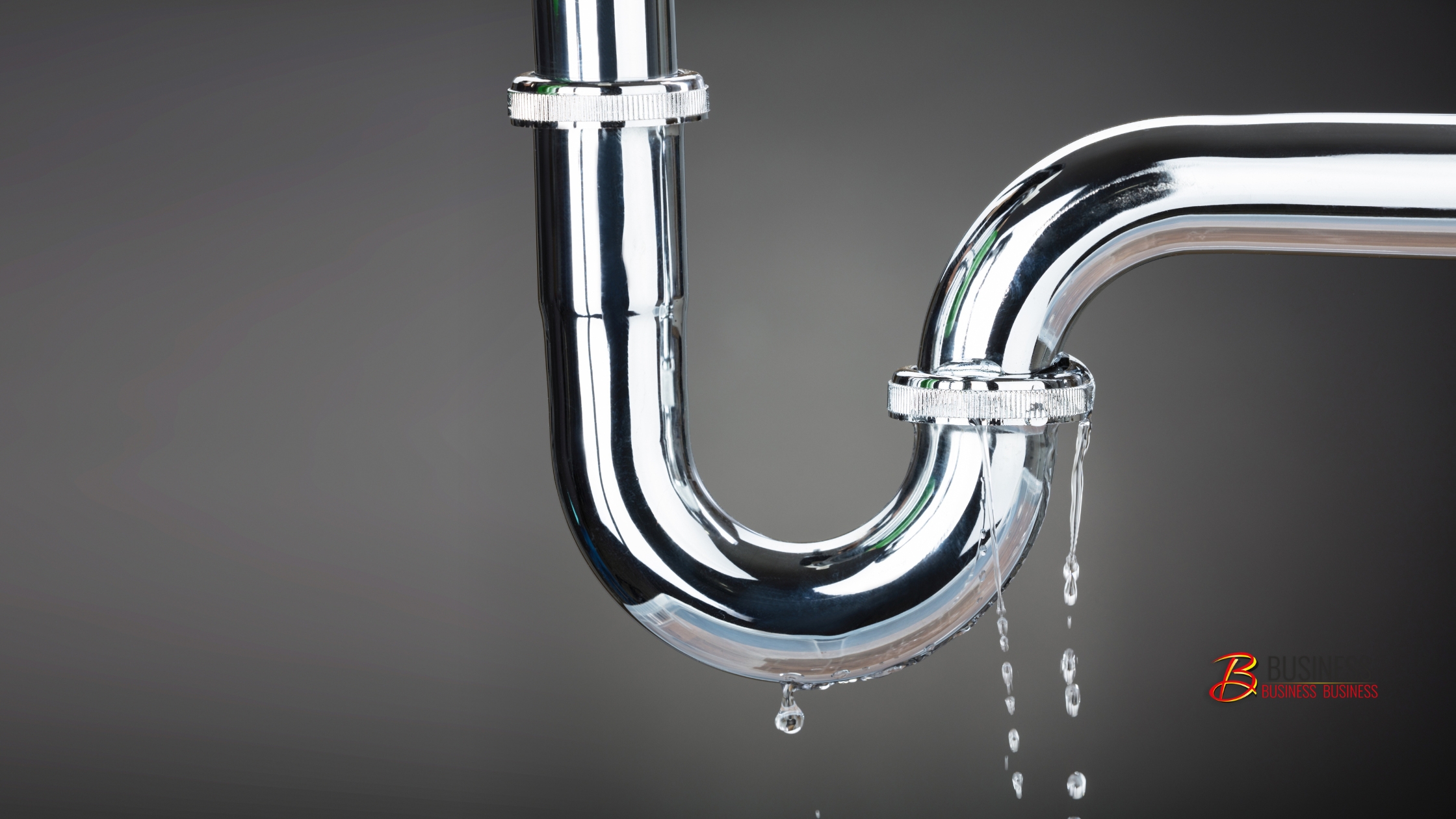
Even the most profitable businesses have one thing in common: potential leaks in their sales pipeline. And here’s the truth – those leaks, left unchecked, are holding your business back.
You could be seeing solid results now, but imagine what could happen if every enquiry was converted, every lead nurtured, and every missed opportunity reclaimed.
Finding and fixing the leaks in your sales pipeline isn’t just about plugging holes. It’s about uncovering real opportunities to accelerate your growth and drive profits to the next level.
So, where should you look?
The Hidden Cost of a Sales Leak
Sales pipeline leaks are like a hidden water main leak beneath the street. You might not see them, but they’re quietly draining resources and limiting what your business can achieve.
Some leaks are obvious, like a lack of follow-up with warm leads, but others are subtle and require a more strategic eye. Whether it’s a steady trickle or a full-blown gusher, every leak has one thing in common: it’s costing you money.
The key is knowing how to find them. And that starts with your numbers.
Get to Know Your Numbers – They Never Lie
If you want to improve your sales performance, the first place to start is by understanding your numbers. Because when you understand your data, you understand your business.
The most important figure? Your conversion rate – the percentage of potential customers who go from contact to sale.
But it’s not just about the final result. It’s about every stage in between. Every step your customer takes, every touchpoint, is a place where a leak could occur.
So the question becomes: where are your prospects dropping off?
Mapping the Customer Journey
No two businesses have the same sales journey, but every business should be mapping it.
From the moment a customer becomes aware of your brand, to the point where they make a purchase (and ideally return for more), you need to understand the steps they’re taking, and where they’re opting out.
Let’s break it down:
- Website visits vs. contacts – Are people landing on your website but not reaching out?
- Enquiries vs. sales – Are your staff having conversations that don’t convert?
- Sales vs. repeat business – Are you missing opportunities to turn one sale into many?
Each of these points represents a potential leak in your pipeline. And each leak is also an opportunity. Because if someone has made it this far, they’re already partway convinced. Fixing the leak could mean turning “almost” into “absolutely”.
Fix the Leak – Improve the Process
Once you’ve identified where the leak is occurring, the next step is to fix it by improving your systems and procedures.
For example:
- If you’re not following up after a sale, implement a simple, automated follow-up process.
- If leads aren’t converting after speaking to sales staff, it’s time to look at sales training, scripting, or even the person in the role.
- If walk-ins rarely turn into bookings, maybe the welcome experience or initial engagement needs attention.
Remember, plugging a leak isn’t about placing blame – it’s about refining the process so your business can perform at its best.
The Bottom Line
Leaks happen, even in high-performing businesses. But finding them, and fixing them, is one of the fastest ways to increase your revenue without increasing your ad spend or workload.
These aren’t cold leads. They’re warm. They’ve already come into contact with your brand. Which means the hardest part, getting their attention, is done.
Your job now? Convert that attention into action.
Map the journey. Find the leak. Fix the process.
Because the next level of your business success is already in the pipeline, you just need to make sure nothing’s slipping through the cracks.